Thailand Aligns Government, Immigration and Schools on Procedures for Overseas Families
A formal meeting at International School Bangkok brought together a government minister and the Immigration Bureau chief to agree smoother processing across the country's 207 international schools.

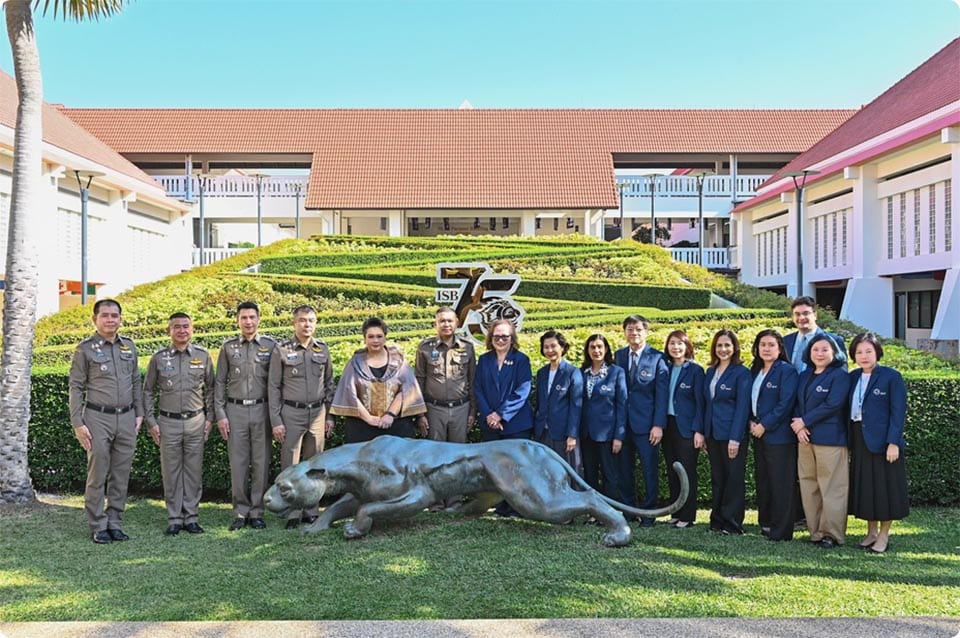
Thailand has taken a formal step toward resolving one of its international school sector's most persistent friction points, with a senior government minister, the head of the Immigration Bureau, and the International Schools Association of Thailand meeting at a single table to agree a cooperative framework for visa and immigration procedures.
Minister Attached to the Prime Minister's Office Supamas Isarabhakdi visited International School Bangkok on November 20 alongside Immigration Bureau Commissioner Pol. Lt. Gen. Nopasin Poolsawat and ISAT President Dr. Usa Somboon. According to Pattaya Mail, the parties agreed to cooperate in promoting Thailand as a safe and competitive international education destination, and discussed verification procedures covering students, families and staff across all 207 international schools.
What was agreed
The Immigration Bureau Commissioner confirmed the bureau's readiness to oversee immigration screening for all personnel entering the school network. Discussions covered both compliance obligations and streamlining of procedures, with ISAT representatives highlighting the economic case for international education, including its spillover effects on housing, tourism, transportation and food services.
No specific regulatory changes were announced, and published procedures have not yet been updated. The significance lies in the seniority of the participants: a minister, a police lieutenant-general running the country's immigration function, and the association representing the full school sector, all committing publicly to a cooperative framework. That combination has not previously been assembled in one place around this issue.
Why this matters
Work-permit delays and inconsistent processing have been among the most common operational complaints from international school operators and teachers in Thailand. The country has added campuses rapidly, reaching 207 schools, bringing with it a larger population of overseas teachers and expatriate families navigating Thai requirements, often with little consistency between cases or immigration offices.
Thailand has been explicit about competing with Singapore and Malaysia for international education market share. A government-backed protocol with the Immigration Bureau, if followed through in implementation, would remove one of the remaining structural disadvantages that operators cite when deciding where to open or expand. Both expatriate families and local affluent families whose children attend international schools stand to benefit from faster, more predictable processing.