Philippines Creates a Bureau to Regulate All Private Schools as Voucher Law Expands
President Marcos has signed legislation that extends school vouchers to kindergarten and establishes a dedicated government body with authority over every private school in the country, including international campuses.

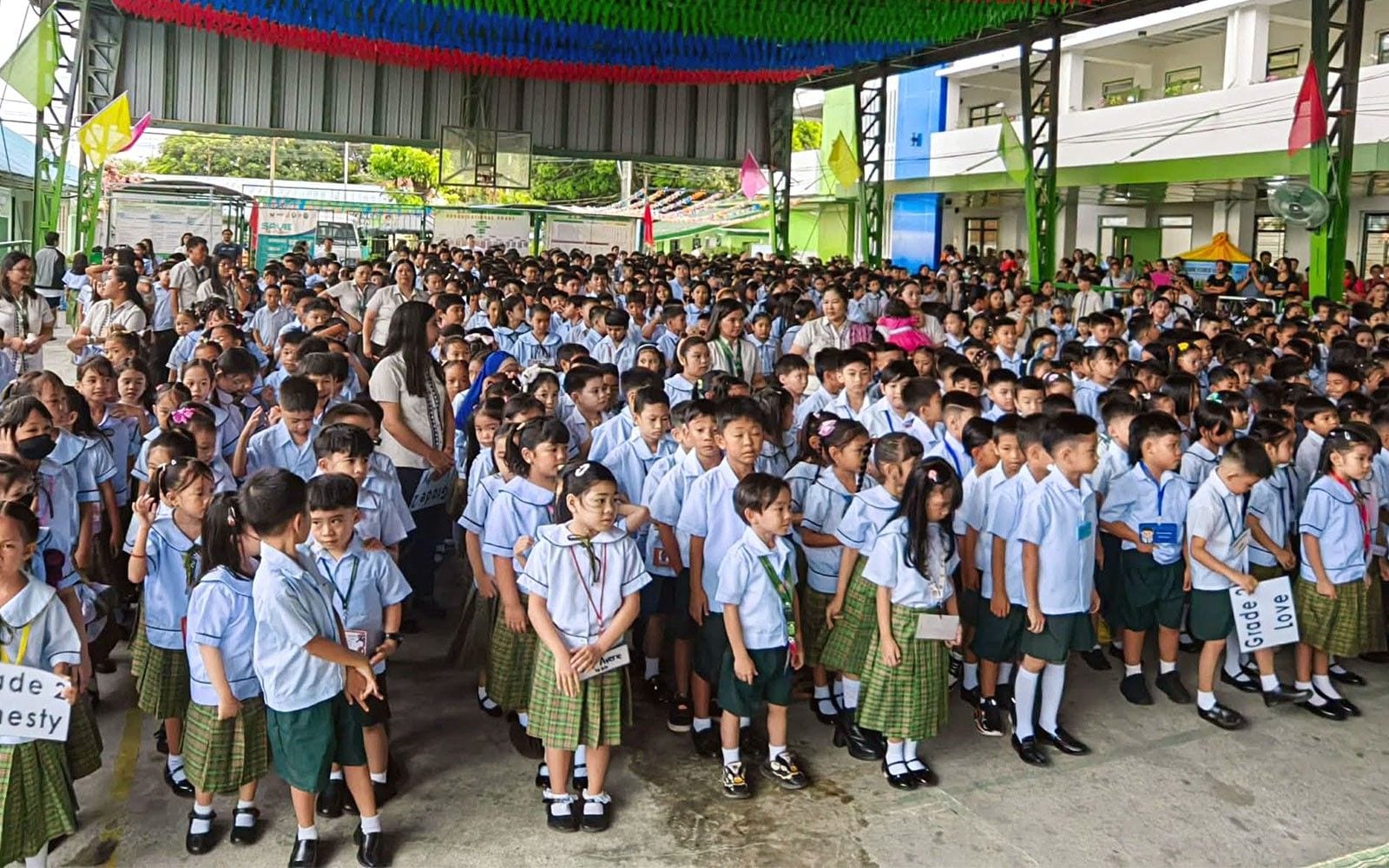
The Philippines now has a Bureau of Private Education with regulatory authority over every private school in the country, following the signing of Republic Act 12327 by President Ferdinand Marcos Jr. The Basic Education Voucher Assistance Act, according to the Philippine Star, extends a government voucher scheme previously limited to Senior High School all the way down to Kindergarten for students from middle-income and below households, with expanded coverage set to begin in school year 2027 to 2028.
The Bureau of Private Education is the law's most consequential provision for school operators. It sits inside the Department of Education and takes on supervision, regulation and quality assurance for all private basic education institutions, a mandate that explicitly covers international schools. Until now, private and international schools operated under DepEd oversight without a dedicated bureau as the primary point of contact for policy, compliance and engagement.
What changes for operators
The Bureau will serve as the focal office for collaboration with private education stakeholders, handling policy, licensing and the implementation of government assistance programs involving private schools. Implementing rules are due within 60 days of enactment, and that consultation window is what operators will be watching most closely, since the bureau's early decisions on licensing standards and quality assessment will set the terms of the relationship between international schools and the Philippine state for years ahead.
Whether more structured regulation means heavier compliance demands or greater clarity will depend on how the rules are drafted. For operators running international campuses in Manila, Cebu and beyond, the creation of a formal counterpart within government is in itself a significant change to the operating environment.
The voucher scheme
On the voucher side, the law prioritises learners from congested public schools and communities without a nearby public institution. Households from lower-income bands receive a larger voucher amount. Participating private schools must pass DepEd recognition and periodic quality assessments; the government is required to disburse payments within 60 days of schools submitting complete documentation.
For international schools, the voucher component is of limited direct relevance given their fee levels. The bureau, by contrast, affects every private school in the country as a matter of oversight, and represents the most significant structural regulatory shift for the sector in a generation.