South Korea's Education Minister Quits Over Suneung AI Cheating Chaos
Choi Kyo-jin resigned on November 22 after last-minute anti-cheating measures during the CSAT disrupted the exam for 500,000 students, the most direct political consequence yet of South Korea's AI exam crisis.
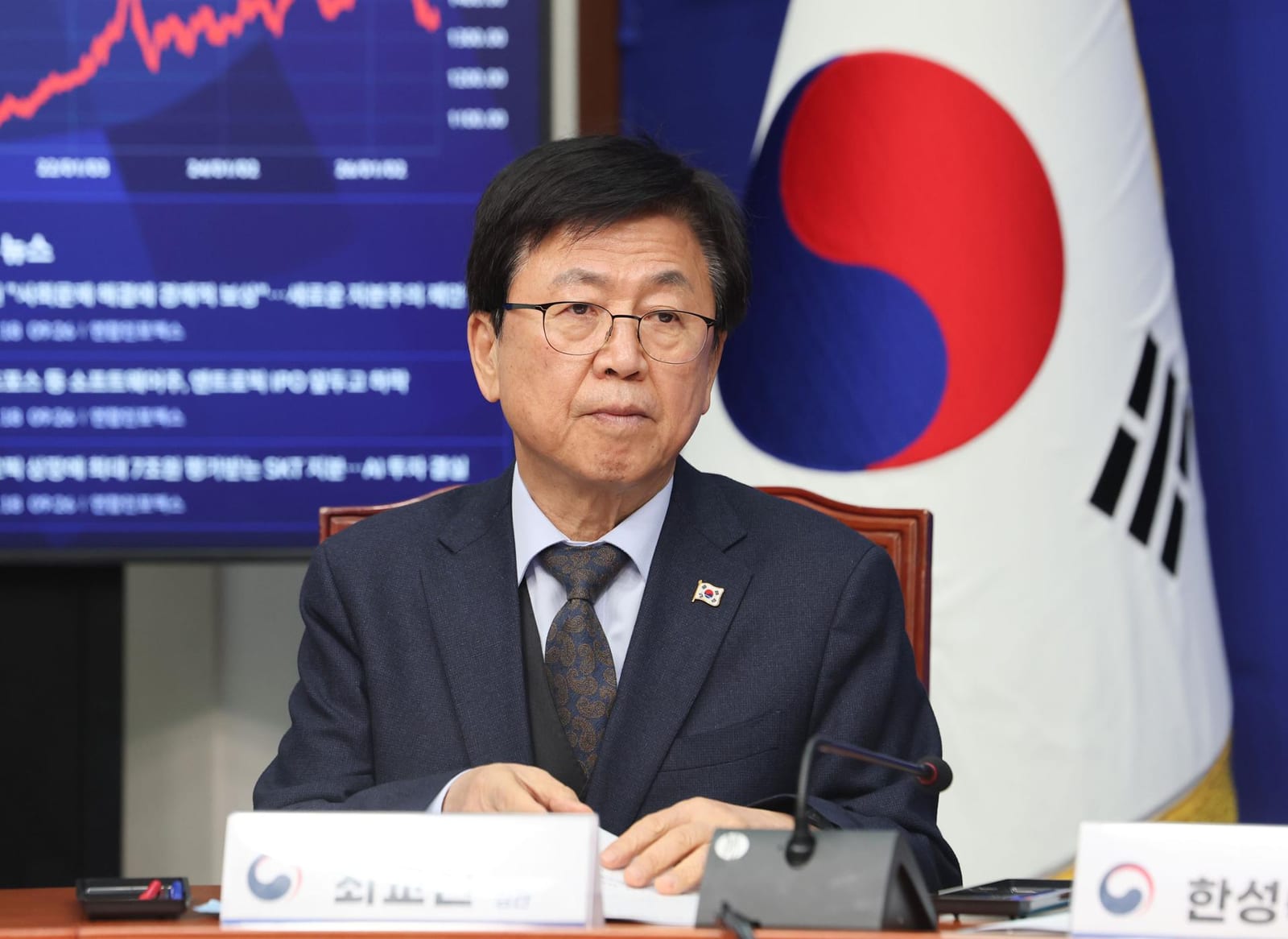
South Korea's Education Minister Choi Kyo-jin resigned on November 22, two days after the College Scholastic Ability Test, taking responsibility for anti-cheating measures introduced at the last minute that created widespread confusion for the approximately 500,000 students who sat the exam on November 20. President Lee Jae Myung accepted the resignation within an hour and ordered a comprehensive review of national exam management and the laws governing it.
Choi acknowledged in a statement that the last-minute changes had caused significant inconvenience to test-takers and the public, and offered to step down in consequence. According to The Japan Times, 111 candidates were found with unauthorised smart devices during the exam, a figure that itself reflected the scale of the problem the ministry had tried, imperfectly, to address.
What sparked the crisis
The ministry pushed through a package of protective measures in the days before the exam: Wi-Fi restrictions at test centres, checks of clothing buttons for concealed cameras, and nationwide phone-detection alerts sent to residents near examination venues. The package was assembled hurriedly after a separate cheating scandal involving a tax-accountant examination, in which a candidate used a miniature camera combined with AI assistance to pass answers remotely.
The simultaneous rollout of multiple technical interventions, without adequate public preparation or coordination with invigilators, created confusion on exam day. For many families, the morning of the Suneung brought alerts and checkpoint delays that added to the considerable pressure students already faced.
What comes next
President Lee's review will examine both the exam-management process and the legislative framework around it. The findings are expected to shape permanent AI-detection measures for future Suneung cycles, with the government under intense public pressure to introduce robust controls that do not themselves become a source of error or unfairness.
For international schools across Asia preparing students for high-stakes external exams, the Korean episode illustrates a tension every system will face: how to enforce credible AI-use policies during examination conditions without imposing new burdens on students who have done nothing wrong.